Browsed by
Category: Blog

4° Simposio internacional sobre los antiguos mayas en Japón: TEOTIHUACAN y MAYA

4° Simposio internacional sobre los antiguos mayas en Japón: TEOTIHUACAN y MAYA

This online symposium gathers some of the most renown scientists that investigate Teotihuacan and the Maya area. The schedule is: Sunday, February 13, 2022 18:00-19:00 (CT)Oswaldo Chincilla— NUEVAS PREGUNTAS SOBRE LA INTERACCIÓN ENTRE ESCUINTLA Y TEOTIHUACÁN 19:00-20:00 (CT)Bárbara Arroyo— LAS RELACIONES A LARGA DISTANCIA ENTRE TEOTIHUACAN Y EL ALTIPLANO MAYA 20:15-21:15 (CT)Edwin Román— NUEVOS APORTES Y PERSPECTIVAS AL ESTUDIO DE LA INTERACCIÓN ENTRE TIKAL Y TEOTIHUACÁN 21:15-22:15 (CT)Karl Taube— EL PETÉN, LA CULTURA MAYA Y TEOTIHUACÁN Monday, February 14, 2022…

Read More Read More

Teotihuacan in Numbers

Teotihuacan in Numbers

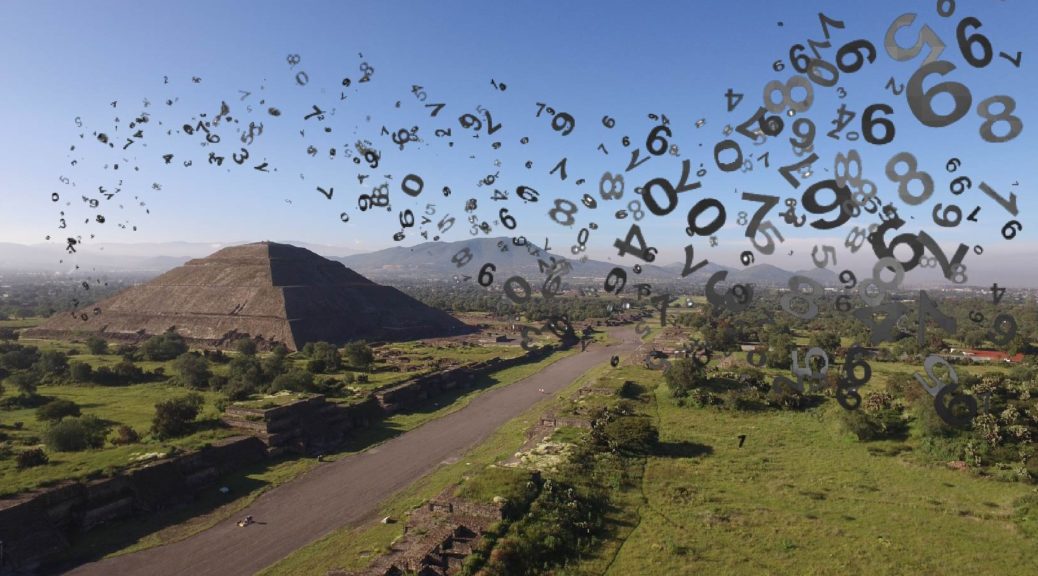
by Yolanda Peláez Castellanos Teotihuacan was one of the most influential cities in Mesoamerica, and descriptions of its grandeur during its occupation from around 100 BCE to 550 CE have been frequently mentioned in literature. At its height, the metropolis had between 75,000 to 125,000 inhabitants and extended over an area of some 20 km2 (7.72 mi2). The biggest building in the city, the Sun Pyramid, stands at 63 m (206.69 ft) tall with each of the four sides of…

Read More Read More

Drawings

Drawings

How to Draw: Archaeology Version by Yolanda Peláez Castellanos Part 1: The Field Archaeologists are responsible for recording everything that they find as the materials could provide valuable research information not only about the context but also about past human activities. Once the materials are completely registered, they are removed from their original context. For that reason, it is essential to record as much information as possible out in the field. Field drawings are part of this registering process, and…

Read More Read More

Early Images of Teotihuacan in the Modern Era

Early Images of Teotihuacan in the Modern Era

by Yolanda Peláez Castellanos Today, it is very easy to photograph and document the world around us. For example, people visiting Teotihuacan can take countless photos and share them on social media immediately; however, in the past, it was much harder to capture and reproduce images. The lithographs, paintings, and photographs from the end of the 19th century to the beginning of the 20th century demonstrate the many changes that the archaeological zone of Teotihuacan has undergone. Most of the…

Read More Read More