BLOG_EN

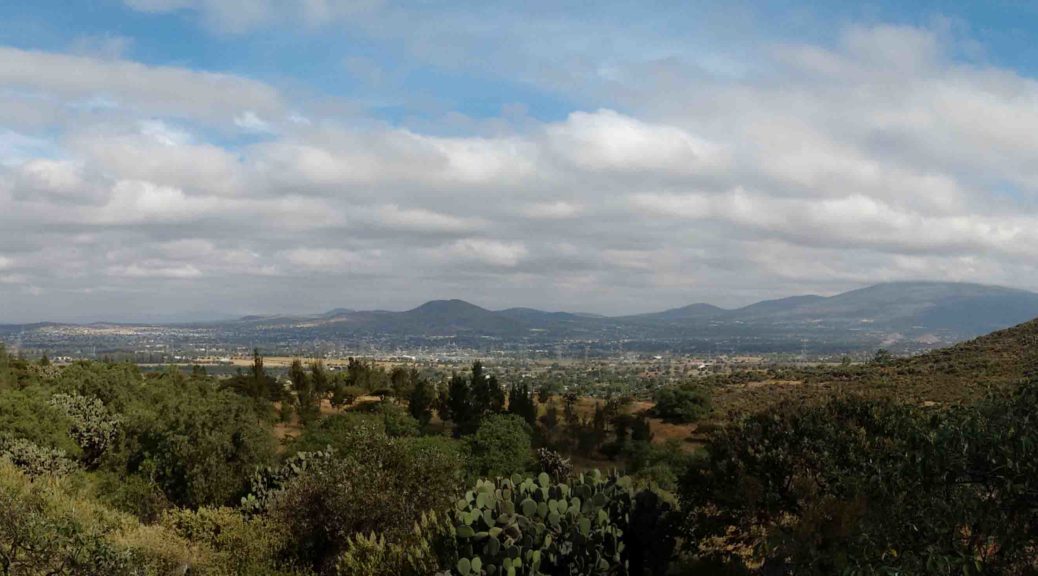
Looking for traces of the past: interpreting the surface of the Teotihuacan Valley

Looking for traces of the past: interpreting the surface of the Teotihuacan Valley

During the 2017 field season, the Plaza of the Columns Project used a special type of investigative tool called LiDAR (Light Detection and Ranging) to verify archaeological features out in the field. This method of remote sensing integrates GPS technologies, Inertial Measurement Unit, and lasers in order to collect altitudinal data. The combination of these sources help to define the surface of the terrain by generating digital elevation models (DEM) for us to further interpret and analyze. In general terms,…

Read More Read More

Teotihuacan: City of Water, City of Fire

Teotihuacan: City of Water, City of Fire

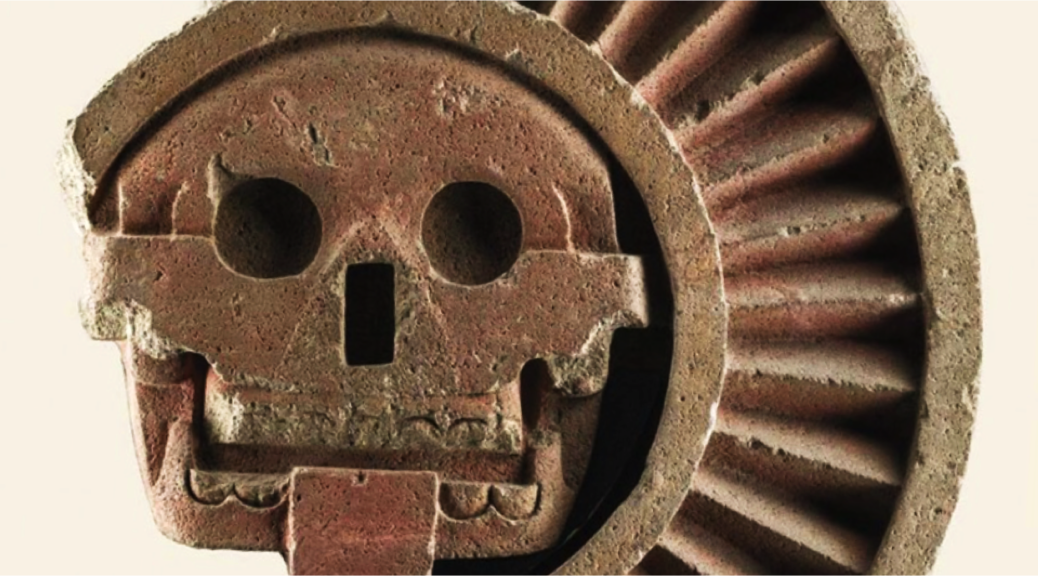
Interested in seeing Teotihuacan artifacts? Come visit the new exhibition Teotihuacan: City of Water, City of Fire at the de Young Museum in San Francisco, California (September 30, 2017 – February 11, 2018). Can’t make it, or simply want to learn more? Check out the catalog for this exhibition where you can read chapters written by our very own PPCC co-directors.

Welcome to the 2017 Season

Welcome to the 2017 Season

We are very happy to announce that we have started working on the exploration of the Plaza of the Columns. So far, we are a team of 20 archaeologists – 13 are out in the field excavating different interest areas of the Complex, 2 are performing surface surveys of the Teotihuacan valley, and 5 others have dedicated labwork analyzing botanical and skeletal remains of multiple species recovered in previous excavation seasons. This first half of the season began on June…

Read More Read More

Virtual 3D Animal Bone Models

Virtual 3D Animal Bone Models

Zooarchaeology is a field within archaeology that seeks to answer questions about past human occupation and their environment through the study of animal remains1. In practice, this means that a zooarchaeologist must be an expert in identifying animal bones. However, animals come in diverse shapes and sizes. How can someone develop expertise in such a broad field? Having a comparative reference collection is key for understanding and formulating distinct patterns among differing species. And this is where I come in….

Read More Read More