Featured
SOCIETY FOR AMERICAN ARCHAEOLOGY 91ST ANNUAL MEETING

SOCIETY FOR AMERICAN ARCHAEOLOGY 91ST ANNUAL MEETING

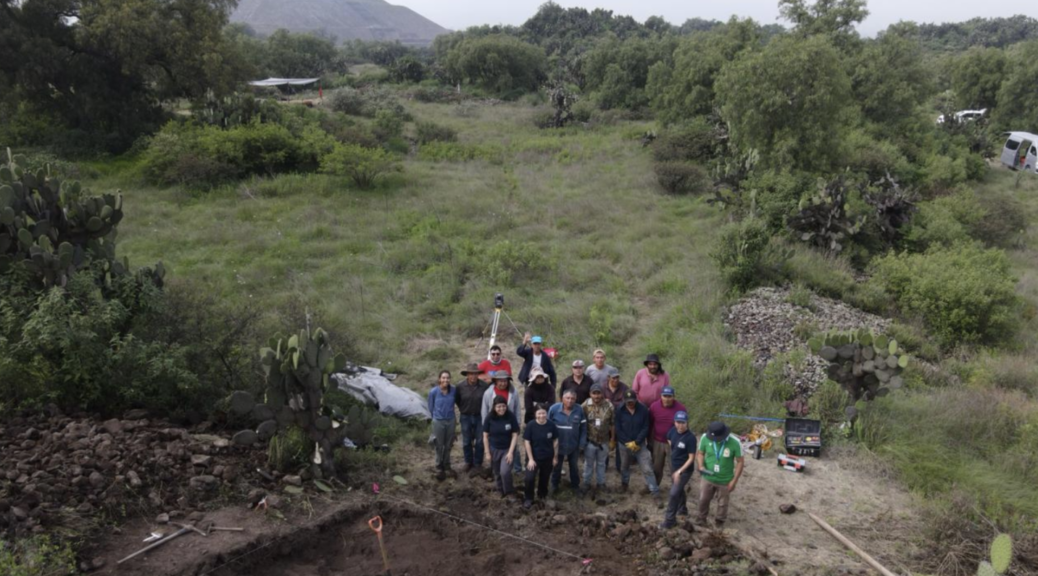
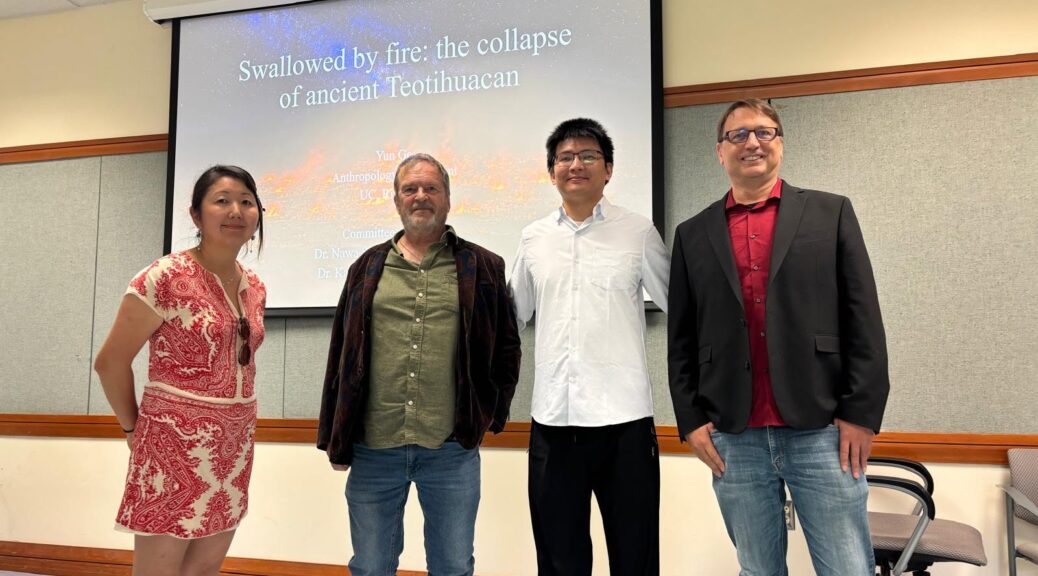
Come join us at the Society for American Archaeology’s 2026 conference in San Francisco, California. Several team members are presenting papers, many of them included in a symposium organized by project directors. See you all there! SATURDAY, MAY 2 Symposium: Fourth Annual Ceramics and Archaeological Sciences Symposium Room: Golden Gate 6 (All Towers, Lobby Level)Time: 8:15 a.m.–12:00 p.m.Chair(s): Sandra Lopez Varela and Charles Kolb 9:00 Ryohei Takatsuchi, Nawa Sugiyama, Wesley Stoner, and Ronald Bishop— Made in or Made out of…

Read More Read More

Featured
Welcome students of Xochicalli School to the PPCC

Welcome students of Xochicalli School to the PPCC

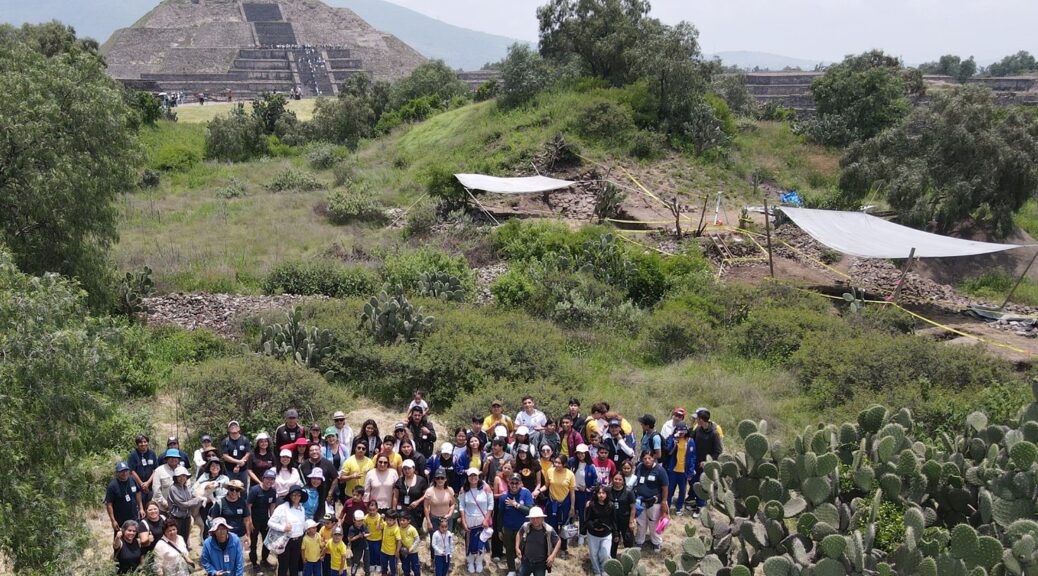
Author: Edsel RoblesTranslation: Yun GeEditors: Thania Ibarra and Sol TéllezPhotographs: Mayté Espinoza The excitement of the visit from the Xochicalli School students One week before, our PI, Dr. Nawa Sugiyama, informed us that we would be receiving special visitors at the Plaza of the Columns. Our primary visitors are researchers, but this time they would be preschool and high school students. At first, we were a little hesitant, because none of us had studied pedagogy before, but the enthusiasm of…

Read More Read More

Featured
A Day in the Dirt at Teotihuacan

A Day in the Dirt at Teotihuacan

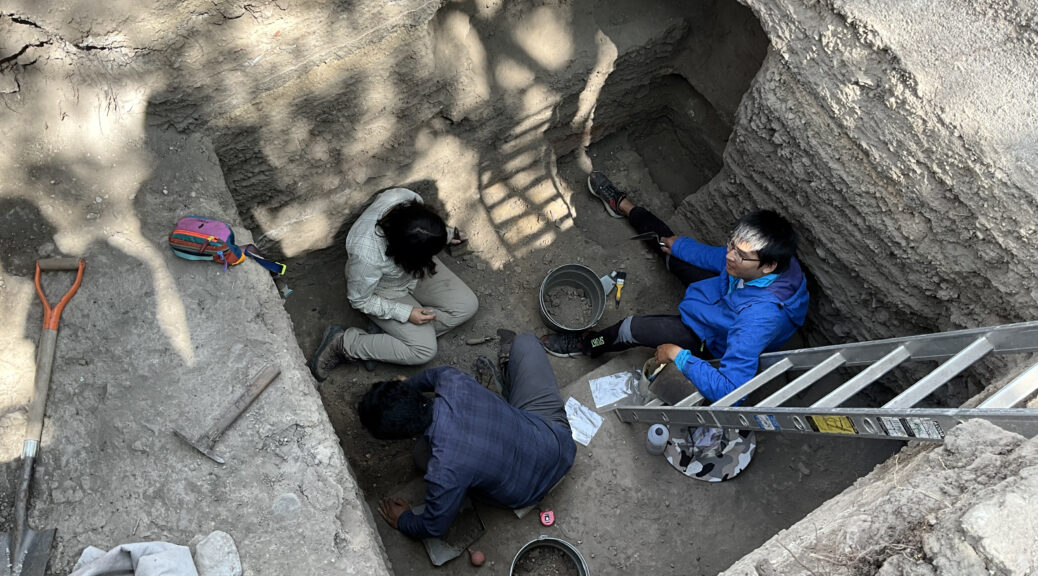
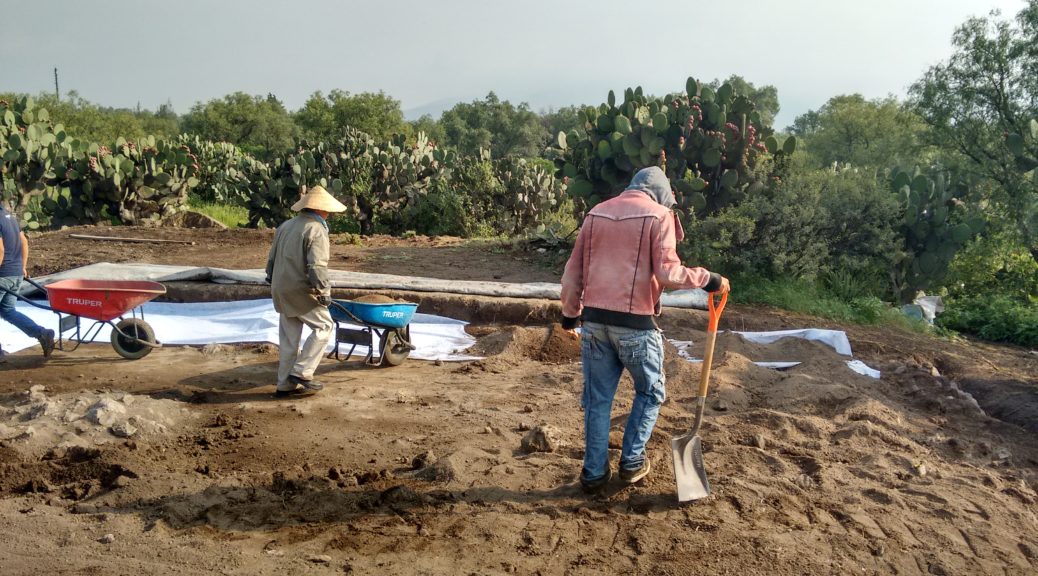
by Justin Tran Introduction On the surface, archaeology appears simple – go to an archaeological site, start digging down, and haul out all the ancient ‘stuff’ that you can find. But in reality, archaeology involves a great degree of precise and hard work, alongside careful planning and execution in day-to-day operations. Much of the work on an excavation starts even before the first shovel hits the dirt. From simply setting up the excavation early in the morning, to survey and…

Read More Read More

Featured
Teotihuacan in Numbers

Teotihuacan in Numbers

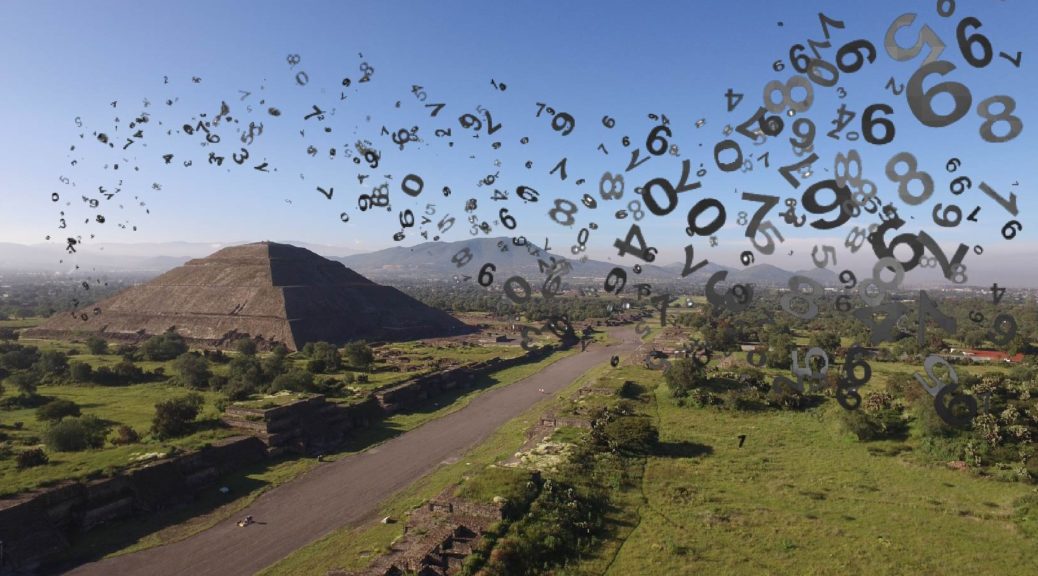
by Yolanda Peláez Castellanos Teotihuacan was one of the most influential cities in Mesoamerica, and descriptions of its grandeur during its occupation from around 100 BCE to 550 CE have been frequently mentioned in literature. At its height, the metropolis had between 75,000 to 125,000 inhabitants and extended over an area of some 20 km2 (7.72 mi2). The biggest building in the city, the Sun Pyramid, stands at 63 m (206.69 ft) tall with each of the four sides of…

Read More Read More

Featured
Early Images of Teotihuacan in the Modern Era

Early Images of Teotihuacan in the Modern Era

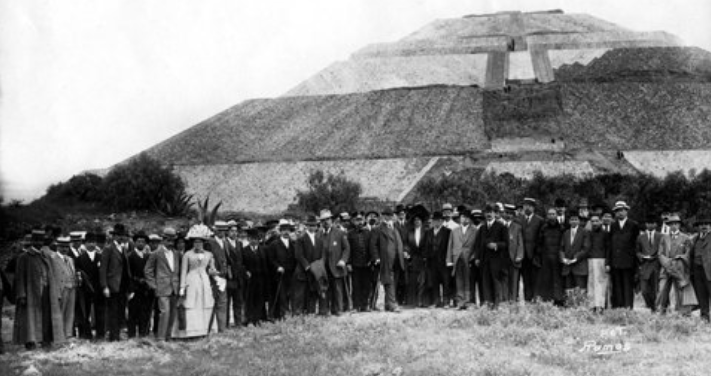
by Yolanda Peláez Castellanos Today, it is very easy to photograph and document the world around us. For example, people visiting Teotihuacan can take countless photos and share them on social media immediately; however, in the past, it was much harder to capture and reproduce images. The lithographs, paintings, and photographs from the end of the 19th century to the beginning of the 20th century demonstrate the many changes that the archaeological zone of Teotihuacan has undergone. Most of the…

Read More Read More

Featured
And behind the archaeologists… the fieldworkers

And behind the archaeologists… the fieldworkers

by Adriana Sánchez It has been an intense week with the conclusion of the third field season (2017) of the PPCC. This includes putting the final touches on all pending fieldwork tasks: the last photo taken, the final line drawn, and the closing word of descriptions written in the notebook. We have just three days left for filling in the last four open excavation areas. The first of them extends over an area of 12 meters long by 3 meters…

Read More Read More

Featured
Looking for traces of the past: interpreting the surface of the Teotihuacan Valley

Looking for traces of the past: interpreting the surface of the Teotihuacan Valley

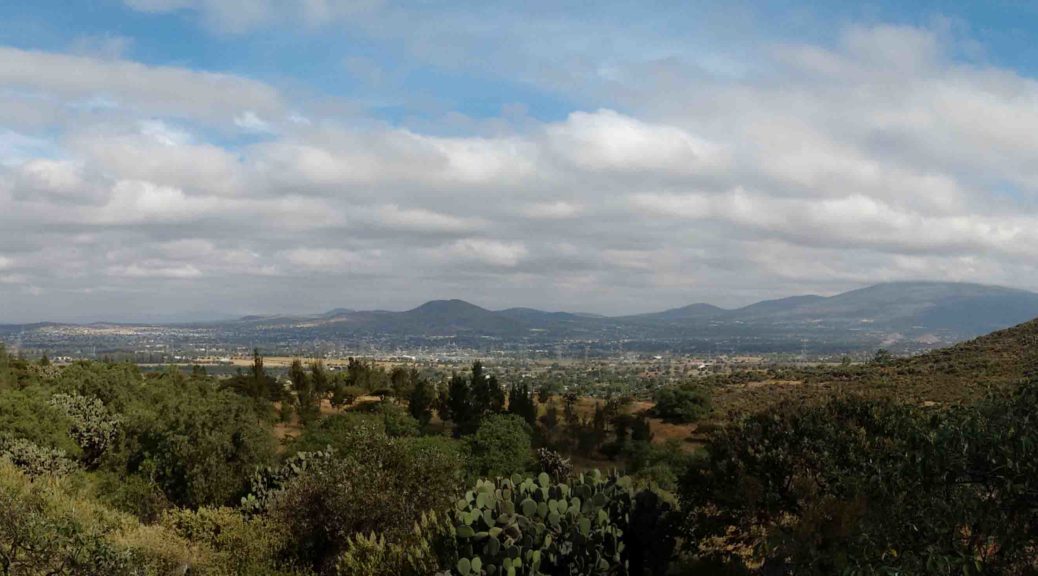
During the 2017 field season, the Plaza of the Columns Project used a special type of investigative tool called LiDAR (Light Detection and Ranging) to verify archaeological features out in the field. This method of remote sensing integrates GPS technologies, Inertial Measurement Unit, and lasers in order to collect altitudinal data. The combination of these sources help to define the surface of the terrain by generating digital elevation models (DEM) for us to further interpret and analyze. In general terms,…

Read More Read More

Featured
Virtual 3D Animal Bone Models

Virtual 3D Animal Bone Models

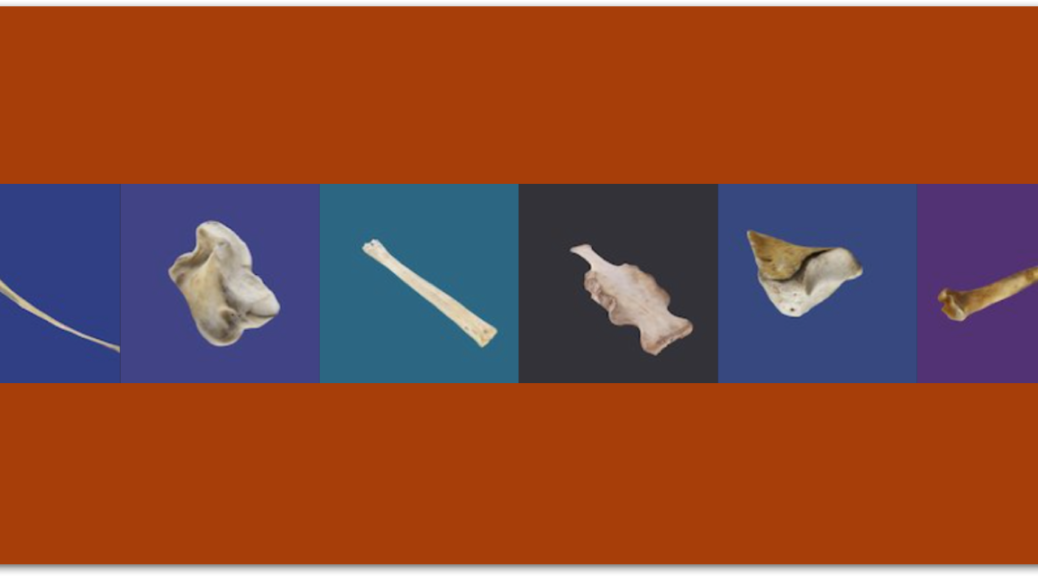
Zooarchaeology is a field within archaeology that seeks to answer questions about past human occupation and their environment through the study of animal remains1. In practice, this means that a zooarchaeologist must be an expert in identifying animal bones. However, animals come in diverse shapes and sizes. How can someone develop expertise in such a broad field? Having a comparative reference collection is key for understanding and formulating distinct patterns among differing species. And this is where I come in….

Read More Read More

Piece of the month

Piece of the month

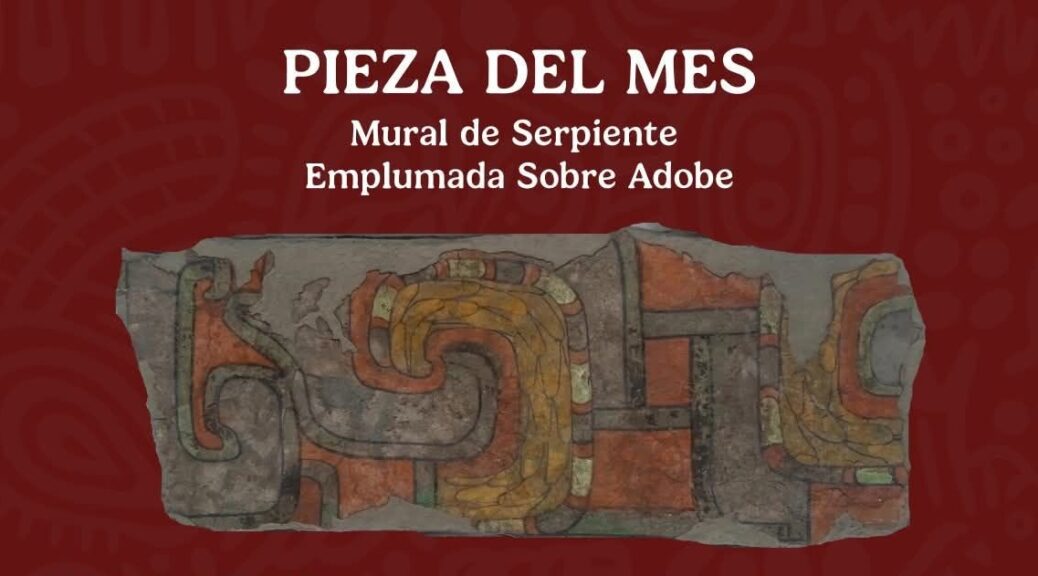
Some years ago, the project’s excavations discovered an adobe fragment with a red strip in a pit at the Plaza North of the Sun Pyramid Complex (see Results 2018-2019, located in Front F’s second “window”). The team decided to extract it as a block and took it to the laboratory.   Afterwards, an arduous process of consolidation and conservation was undertaken. Once a portion of the block was turned over, we were surprised to see it was painted with a…

Read More Read More

SOCIETY FOR AMERICAN ARCHAEOLOGY 90TH ANNUAL MEETING

SOCIETY FOR AMERICAN ARCHAEOLOGY 90TH ANNUAL MEETING

Come join us at the Society for American Archaeology’s 2025 conference in Denver, Colorado. This year some members of our team will present the following talk: SUNDAY, APRIL 27 Symposium: Complex Human-Animal Interactions in the Americas Room: Plaza Building Director’s Row HTime: 9:30 am Nawa Sugiyama, Christine France, Erin Thornton, Edsel Robles, andTeresa Hsu—Household-Level Management of Small Game atTeotihuacan, Mexico: Zooarchaeological and Isotopic Proxies from Plazaof the Columns Complex. See you all there!