Conservation and illustration
Barbara W. Fash (2017-2019, 2023)
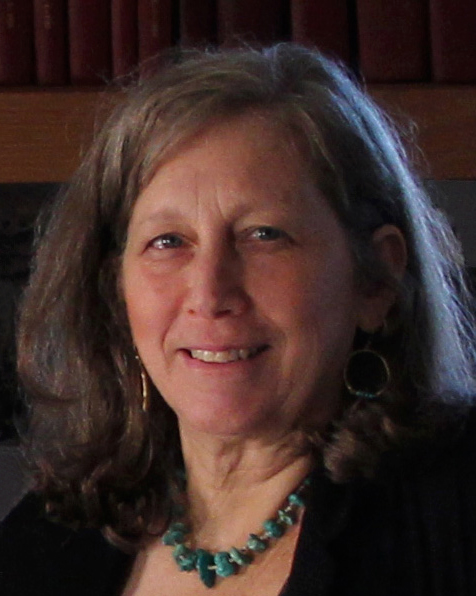
Barbara Fash, artist and museum curator, is Director of the Corpus of Maya Hieroglyphic Inscriptions program at the Peabody Museum, Harvard University, and Co-director of the Santander Program for Research and Conservation of Maya Sculpture. Her book publications include Precolumbian Water Management: Ideology, Ritual, and Power, with Lisa Lucero (2006) and The Copan Sculpture Museum: Ancient Maya Artistry in Stucco and Stone (2011). In 2008 she was awarded the Hoja de Laurel de Oro in Honduras, and later in 2015, she was given the Orden del Pop in Guatemala in recognition of over thirty of service in preserving and documenting the cultural heritage of Copan, Honduras.
Pedro Cahuantzi Hernández (2016)
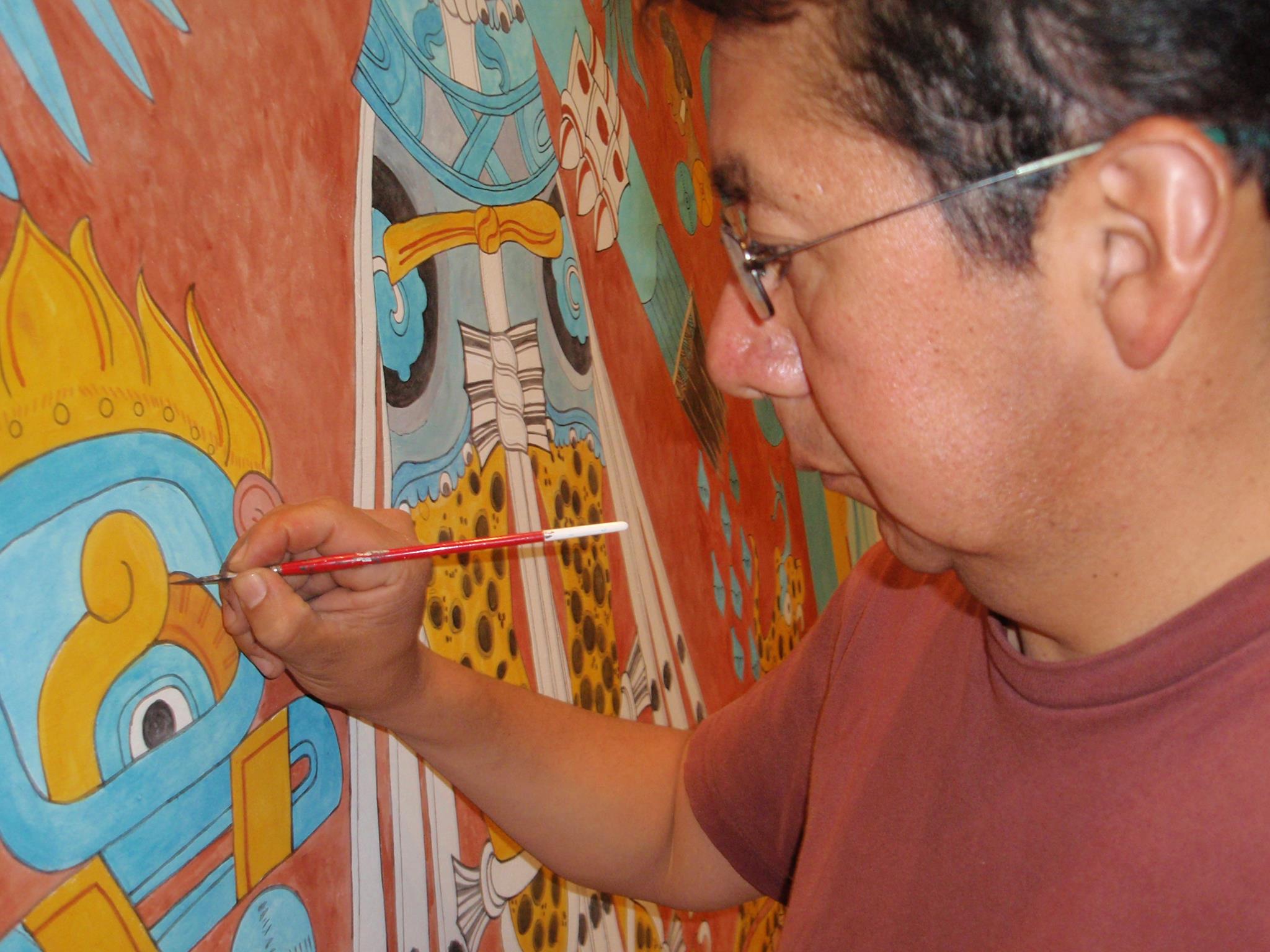
Pedro is an illustrator who specializes in Mexican archaeology. He has worked for the National Institute of Anthropology and History (INAH) for 28 years on different archaeological projects. He has been involved in projects in the Tlaxcala area, including Cacaxtla, Xochitecatl, Ocotelulco, and Tepeticpac. He has also worked at Chichén-Itzá in Yucatán, Cholula in Puebla, and Teotihuacan.
Pedro has done illustrations for scientific publications for various institution, including the National Autonomous University of Mexico (UNAM), INAH, and Oxford University. He has also worked on the restoration or sacred art and pre-Hispanic ceramics.
Among his most important works are the mural reproductions of Cacaxtla in Tlaxcala and several facsimiles of colonial documents prepared for the Department of History of INAH, Puebla.
Albano David Sánchez Palacios (2016)
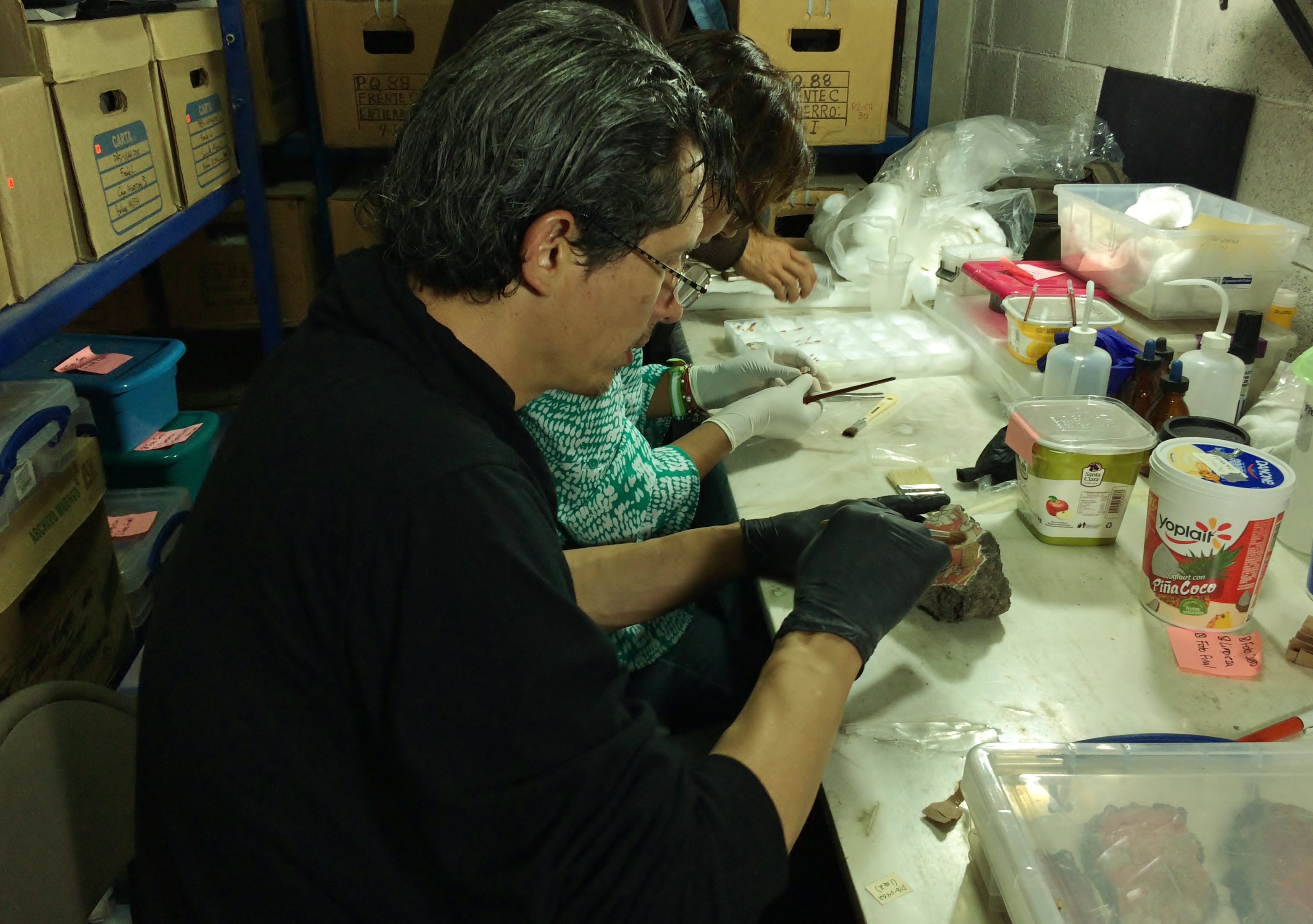
Albano is a visual artist. He has worked in fields related to painting, such as scenography and conservation, as well as in the restoration of movable cultural heritage.
He has worked at the National Center for Conservation and Registration of Artistic Heritage and also performed restorations for several projects (for example: Licenciado No Te Apures by David Alfaro Siqueiros and the restoration of the dome of the Cathedral of Morelia in Michoacán).
At the archaeological site of Teotihuacan, he has collaborated on the Mural Painting Restoration Project as well as on the archaeological archives. In 2016, he oversaw the conservation and restoration of mural painting fragments from the multiple fronts of the Plaza of the Columns Complex Project.
Ramiro Medina Ortiz (2022-2025)
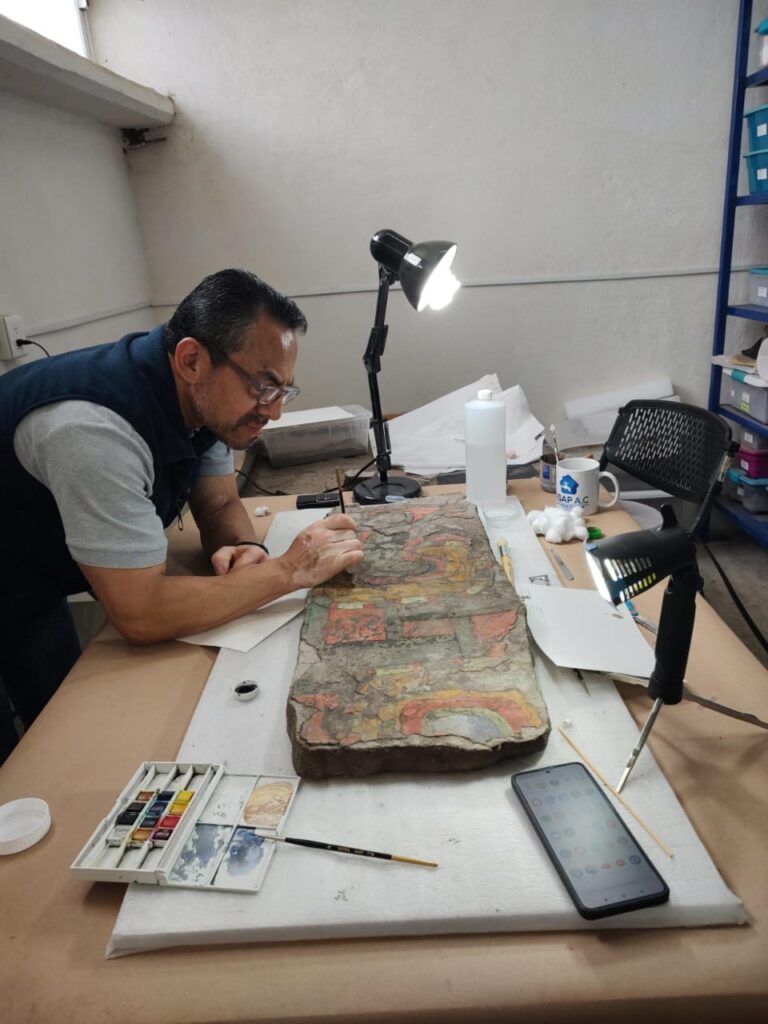
Ramiro is a professional illustrator with 38 years of experience registering and disseminating cultural heritage. Some highlights of his career are: the first drawing made of the Tlaltecuhtli monolith at Templo Mayor and collaborating with the Arqueología Mexicana magazine, in addition to national and international publications.
He masters technical archaeological illustration using different materials (graphite, charcoal, ink, pastels, watercolor, acrylic, oil) and tracing techniques (lines, shadowing, cross-hatch, pointillism), adapting to each project’s needs. His work combines archaeological precision with aesthetic sensibility, transforming ancient finds into visual documents with high academic and artistic value.