Ollas, jars, pots, and vases are just some examples of the incredible variety of pottery forms abundantly recovered in Teotihuacan. These sherds carry an astounding amount of information that archaeologists can recover through patient re-piecing of the data. Below we discuss other applications beyond relative chronology that are utilized in ceramic analyses. Evolution of typology: Changes in ceramic style across time among the recovered pottery assemblage illustrate what the trends at Teotihuacan were in each phase and the rate of these…
Read More Read More
During field seasons, archaeologists unearth remains of ancient households, plazas, and other buildings made of stone and earth. These remains give us a snapshot of how these spaces looked like and how people used to live many years ago. But archaeologists want to know more details and not just limited on where and how those people lived. They want to know about food and diet, of course! Human diet is composed of two main food groups: animal- and plant-based. Among…
Read More Read More
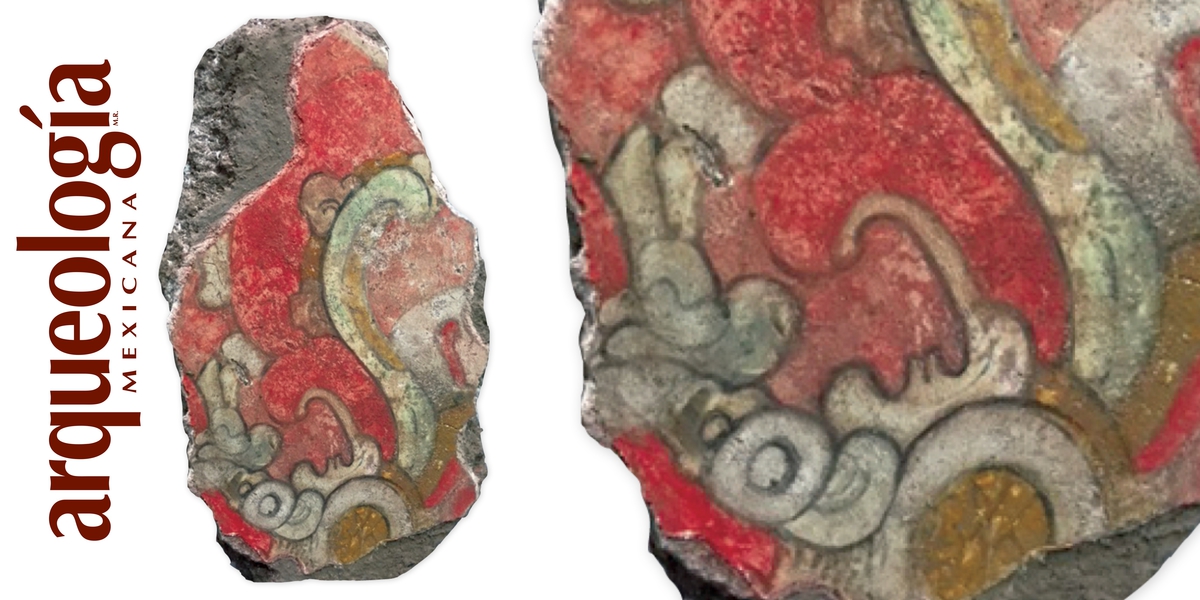
We invite you to read our latest article published in the Mexican magazine Arqueología Mexicana. We share some of our most recent findings from the second excavation season of the Project Plaza of the Columns Complex. Click on the following link (Spanish): “¿Artistas mayas en Teotihuacan?”, Arqueología Mexicana, núm 142, p. 8.
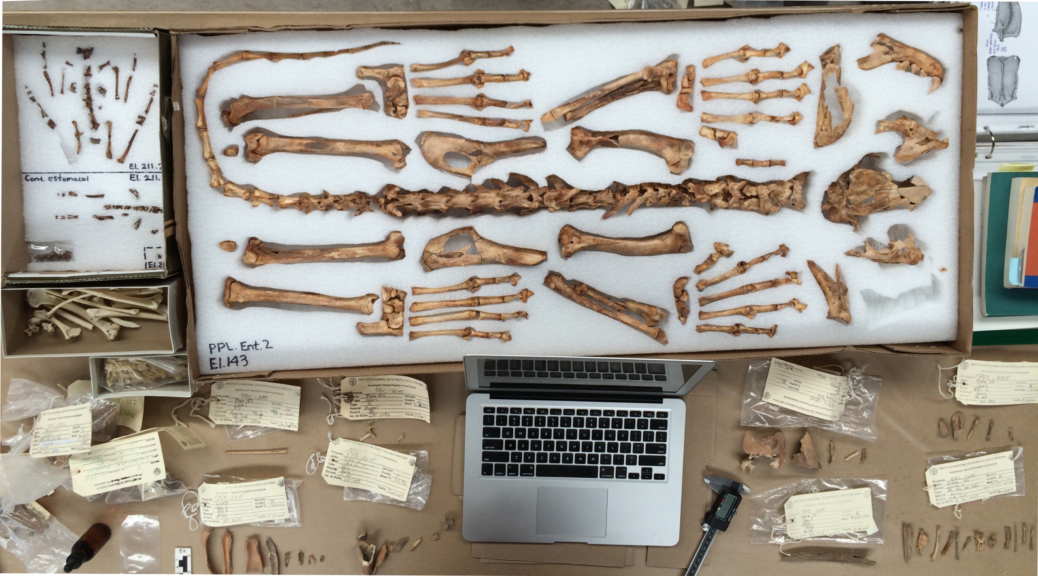
Bones… what can they tell us? Another revealing study is the analysis of bone remains. Each year our specialists make significant progress in the field of studying bones recovered during excavation. The main objectives are to identify what species are there and how many specimens or individuals are represented in the assemblage. Any discernible health conditions and evidence of cultural activities or actions on the bone (such as if they were worked, boiled, burned, fragmented, etc.) are also recorded. The…
Read More Read More